
Personalization does not have to break the bank.
Most eCommerce brands assume they need expensive tools and complex tech stacks to create personalized experiences. That is not true.
Some of the most effective personalization strategies are simple, fast to implement, and already within reach. No extra budget required.
1. Use Customer Data You Already Have
You are already sitting on valuable data. Purchase history, browsing behavior, email engagement.
Start simple by segmenting your audience into groups like:
- First-time buyers
- Repeat customers
- Inactive customers
Then tailor your messaging.
A first-time buyer needs reassurance. A repeat customer wants recognition.
Paid Media tip: Use these same segments in your ad platforms. Upload customer lists to Meta or Google and create:
- Retargeting audiences for repeat buyers
- Exclusion lists to avoid wasting spend on recent purchasers
- Lookalikes based on your best customers
You are not just personalizing messaging, you are improving efficiency across your paid spend.
2. Personalize Your Email Subject Lines
Open rates start with the subject line.
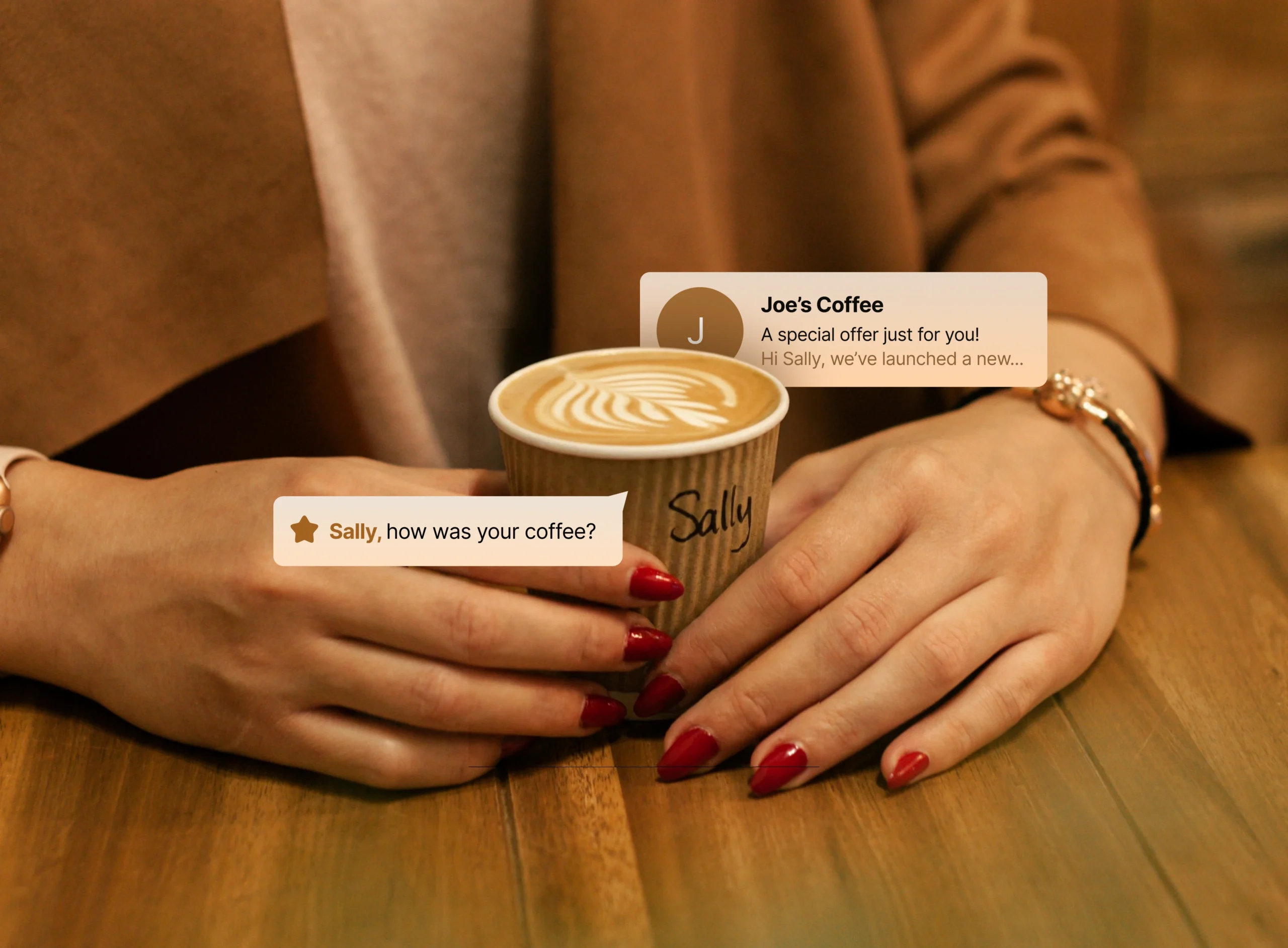
Using a customer’s name or referencing something relevant to them immediately stands out:
- “Hey [Name], this one’s for you”
- “You might love this, [Name]”
It takes minutes to set up and consistently outperforms generic messaging.
Small change. Measurable impact.
Paid Media tip: Mirror this thinking in your ad creative. Use variations of headlines and hooks tailored to different audiences:
- New customers: education and value props
- Returning customers: product depth, new arrivals, or exclusivity
Platforms like Meta and Google will optimize delivery, but you still need to feed them the right variations.
3. Segment by Behavior, Not Just Demographics
Demographics tell you who someone is. Behavior tells you what they actually want.
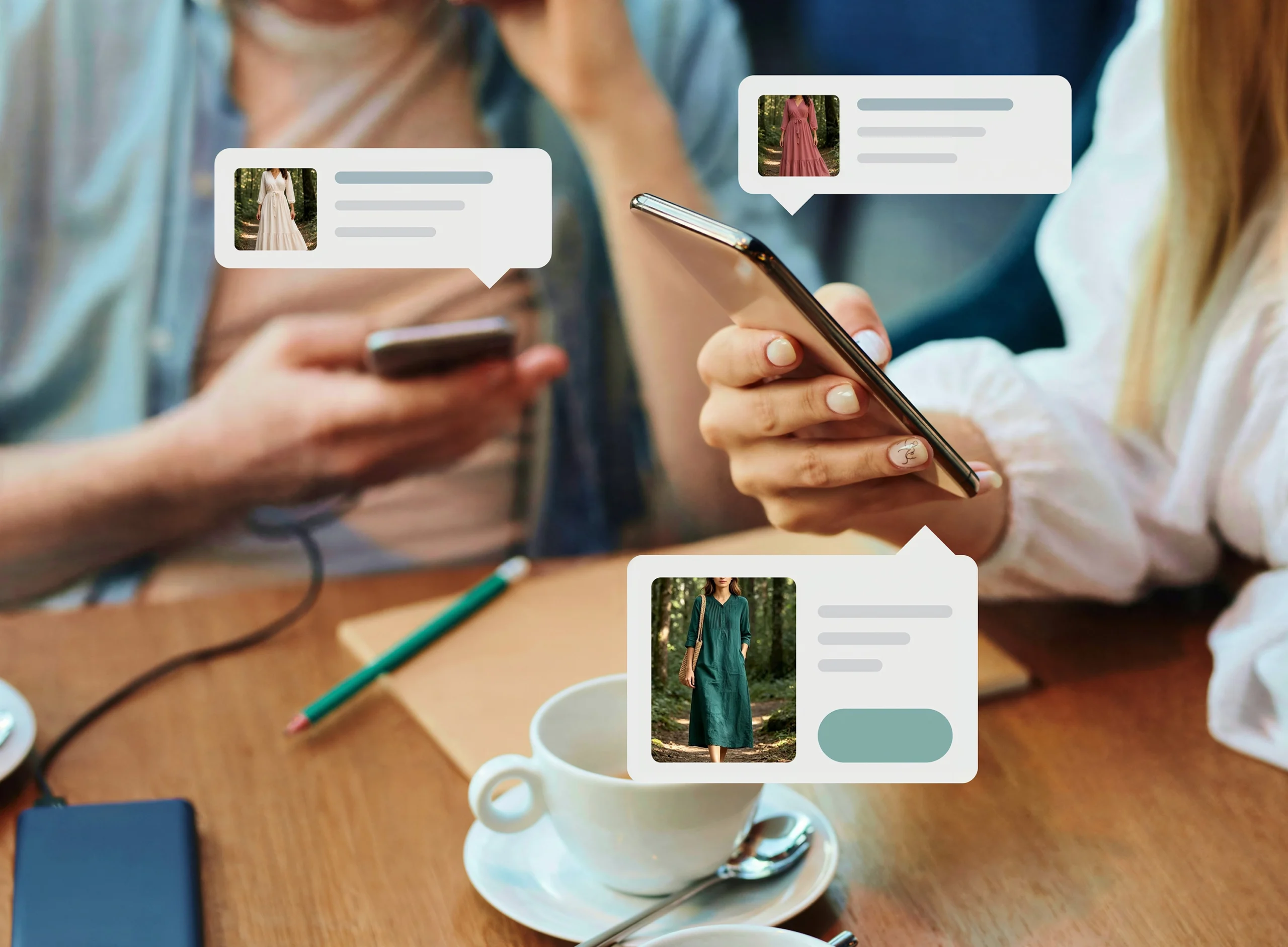
- Cart abandoned? Send a reminder with the exact products
- Browsed a category? Follow up with similar items
- Repeat purchases? Recommend complementary products
This is not advanced. It is just using intent signals properly.
Paid tip: This is where dynamic ads and feed-based campaigns shine:
- Run dynamic product ads on Meta to retarget users with the exact products they viewed
- Use Google Shopping or PMax to capture high-intent users based on real-time behavior
Your product feed becomes your personalization engine at scale.
4. Create a Simple Loyalty Program
You do not need a complex rewards system to drive retention.
Start with something straightforward:
- “Buy 5 times, get 15% off your next order”
It is easy to implement and immediately gives customers a reason to come back.
Loyal customers spend more, convert faster, and are cheaper to retain.
Paid Media tip: Build campaigns specifically for this audience:
- Target past purchasers with exclusive offers or early access
Use lower-funnel budgets more aggressively here since conversion rates are higher
Retention audiences are often your highest ROI segment in paid media.
5. Ask for Feedback and Use It
Most brands skip this entirely.
A simple post-purchase question like:
- “What could we improve?”
can unlock insights you will not get from analytics alone.
The key is acting on it.
Paid Media tip: Use this feedback to refine your messaging and creative:
- Turn common objections into ad copy
- Highlight frequently mentioned benefits in headlines
- Test customer language directly in ads
The best-performing ads often sound like your customers, not your brand guidelines.
The Bottom Line
Personalization is not about having the most advanced tools.
It is about using what you already have to create more relevant, human experiences across every channel.
That includes email, onsite, and paid media.
Start with one tactic. Measure the impact. Then build from there.
Better experiences do not just improve engagement. They make your marketing more efficient and more profitable.