Email marketing is far from over. If anything, it is becoming even more powerful.
More than 4.4 billion people use email worldwide, and email marketing continues to deliver one of the strongest returns in digital marketing, averaging $36 for every $1 spent. In a landscape where performance is constantly under pressure, that kind of efficiency is hard to ignore.
But the real story is not that email still works. It is that email is evolving.
In an AI-first world, the future of email marketing is not about sending more emails. It is about sending better ones, built on data, driven by behavior, and delivered with intention.
Why Email Marketing Still Matters
As platforms shift toward algorithms, AI summaries, and zero-click experiences, email remains one of the few channels brands actually own.
There is no feed to fight. No ranking system deciding visibility. No dependency on rising CPMs just to reach your own audience. If someone is on your email list, you have direct access to them.
That matters more than ever.
Consumers are no longer following a clean, linear path to purchase. They move between TikTok, search, reviews, Reddit, group chats, and in-store experiences before making a decision. Most of that journey is invisible to brands.
Email is one of the few places where you can re-enter that journey with context. But access alone is not enough.
Attention is limited, inboxes are crowded, and generic messaging gets filtered out instantly. Relevance is now the baseline.
The Shift From Campaigns to Systems
One of the biggest changes happening in email marketing is structural.
Traditional email strategy was campaign-driven. You build a calendar, create a promotion, send to a list, and repeat. That model still exists, but it is no longer where the real performance comes from.
The highest-performing email programs today are system-driven.
Instead of relying only on one-off sends, leading brands are building automated flows that respond to behavior in real time. Welcome emails reflect how someone signed up. Browse and cart abandonment flows reconnect with users at the moment of intent. Post-purchase emails are tailored to what was actually bought, not just another generic promotion.
These systems run continuously in the background, capturing intent and converting it.
AI is accelerating this shift by making these systems smarter, faster to build, and easier to optimize at scale.
How AI Is Changing Email Marketing
AI is not replacing email marketers, but it is changing how they operate.
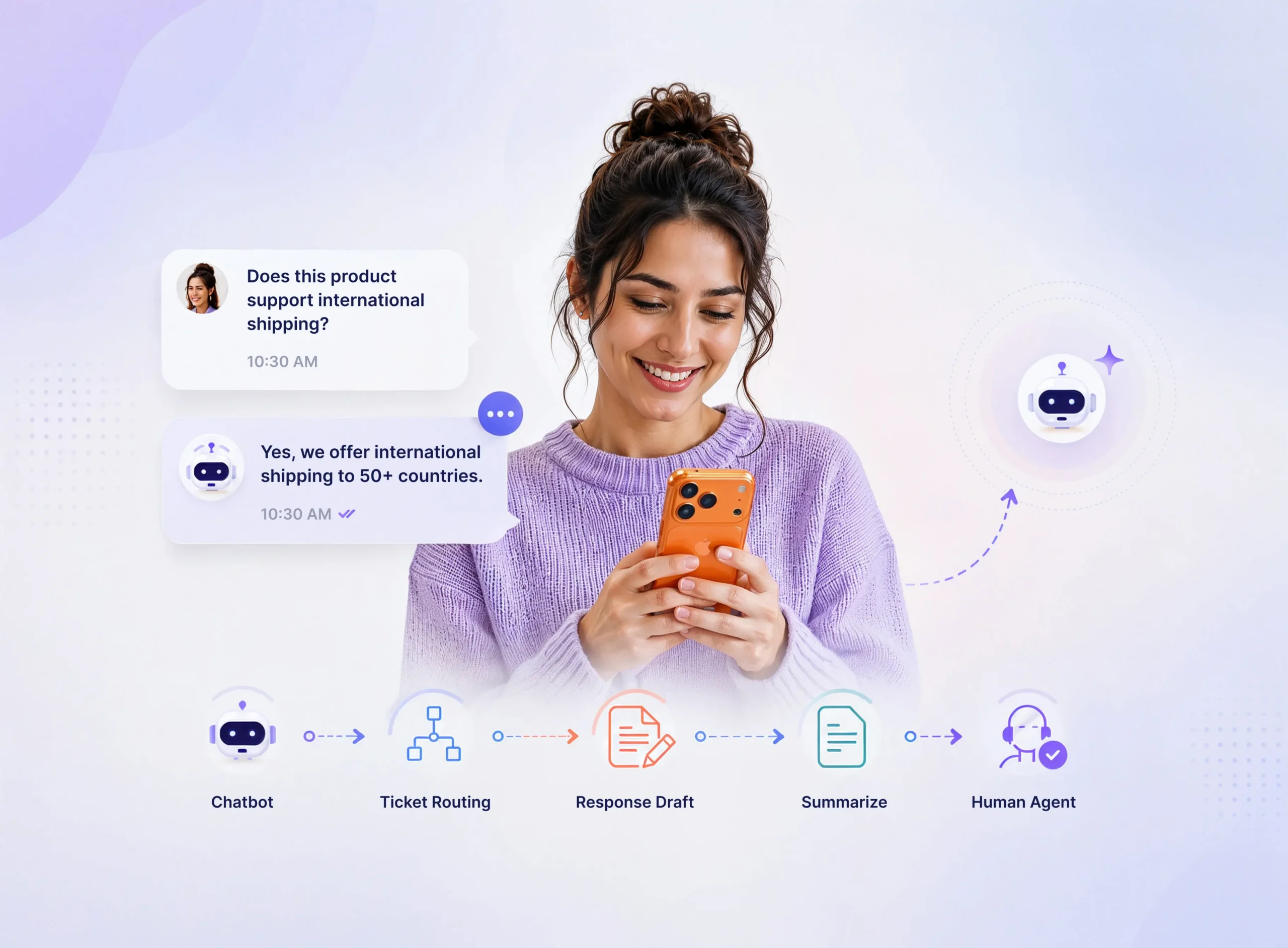
At a practical level, AI is already helping generate subject lines, draft and refine copy, recommend products, predict send times, and segment audiences based on behavior instead of just static attributes.
That alone improves efficiency. But the bigger shift is moving from reactive to predictive marketing.
Instead of only responding to what a customer has already done, brands can start anticipating what they are likely to do next. That could mean identifying when a customer is about to disengage, recommending products based on patterns across similar users, or adjusting messaging based on past engagement.
This is where email becomes more than a communication channel. It becomes a performance engine.
Personalization Is No Longer Optional
Personalization in email used to be surface level. Adding a first name to a subject line was enough to feel tailored.
That is no longer the case.
Today, personalization is about context. Customers expect brands to understand where they are in their journey and respond accordingly.
A new subscriber should not receive the same message as a repeat customer. Someone who just browsed a category should not get a generic brand email the next day. A high-value customer should not be treated like a one-time buyer.
The expectation is simple. If you have the data, use it.
AI makes this level of personalization scalable, but it introduces a new challenge. More personalization does not always mean better performance.
Over-segmentation and overly complex automation can create fragmented experiences that feel disjointed. The goal is not just precision. It is relevance with clarity.
The Human Side Still Matters
With all the focus on AI, it is easy to assume automation will take over.
It will not.
AI can improve speed and efficiency, but it cannot replace trust. The emails that perform best still feel human. They are clear, useful, and intentional.
If every message sounds robotic or overly optimized, people will tune out, even if the targeting is technically correct.
Strong email marketing still requires human judgment. Knowing when to send less, not more. Understanding tone and brand voice. Creating moments that feel timely rather than automated.
The brands that stand out will not be the ones using the most AI. They will be the ones using it most thoughtfully.
Deliverability, Trust, and the New Constraints
As email becomes more automated and data-driven, deliverability becomes even more important.
Mailbox providers are getting better at filtering low-quality or overly aggressive sending behavior. Engagement signals, spam complaints, and list quality all directly impact whether emails are even seen.
That means the future of email marketing is not just about better targeting. It is about better discipline.
Brands need to prioritize engaged audiences, scale sends more intentionally, and align frequency with actual user behavior. Short-term volume spikes might drive temporary results, but they can damage long-term performance.
AI can help identify patterns, but it cannot fix poor strategy.
Where Email Fits in an AI-Driven Customer Journey
Email does not exist in isolation.
In an AI-first world, the customer journey is fragmented and multi-touch. Paid media drives discovery. Social builds awareness and trust. Search and AI tools support research and validation.
Email plays a different role.
It captures intent, nurtures relationships, and drives conversion over time.
As more discovery happens without clicks and outside of owned channels, email becomes even more valuable as a way to reconnect with users who have already shown interest.
The Brands That Win Will Be the Most Relevant, Not the Most Active
The future of email marketing in an AI-first world is not colder or more mechanical. It is more intentional.
AI gives marketers better tools to understand behavior, predict intent, and execute at scale. But the goal remains the same: reach the right person, with the right message, at the right time.
Email is still one of the most effective ways to build customer relationships.
The brands that win will not be the ones sending the most emails. They will be the ones sending the most relevant ones, powered by AI but grounded in human understanding.