
Think about the last time you entered your credit card online.
That moment of hesitation? That’s trust.
You’re not just buying a product. You’re trusting a company with your money, your data, and your identity. One breach, one misleading recommendation, or one bad experience can destroy that trust instantly.
For years, retailers have treated security and trust as compliance requirements. In 2026, they’re becoming competitive advantages.
As AI shopping assistants and autonomous shopping agents become a bigger part of the ecommerce experience, brands are facing a new challenge. Success is no longer just about having the best products, the fastest website, or the smartest AI technology. It’s about whether consumers trust those systems enough to let them make decisions on their behalf.
From Product Recommendations to Autonomous Shopping
AI shopping assistants have evolved far beyond simple product recommendations.
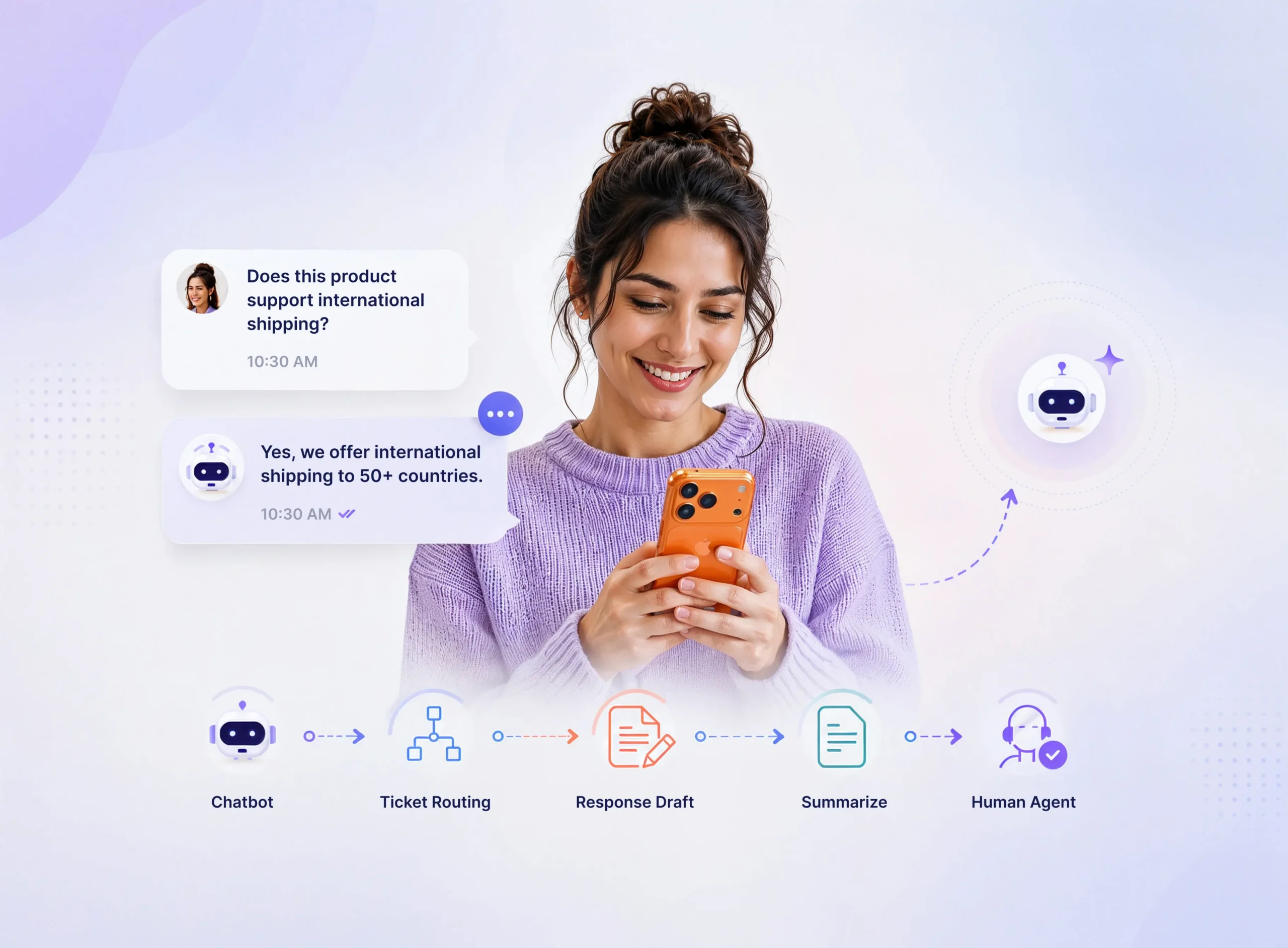
What started as tools that helped consumers compare products is quickly becoming something much bigger: AI-powered shopping agents that can research products, compare prices, manage budgets, and complete purchases without requiring constant human involvement.
Consumers are already embracing the shift.
74% of Americans are aware of AI shopping agents, while roughly half of Millennials and Gen Z consumers are actively using them. Not because they’re novel, but because they solve real problems. They reduce decision fatigue, uncover pricing inconsistencies, and help consumers stay within budget.
But adoption comes with a condition.
If consumers believe an AI shopping assistant is prioritizing sponsored placements, retailer incentives, or profit over their own interests, trust disappears. And once trust is lost, so is the willingness to delegate purchasing decisions.
That’s why the future of AI commerce isn’t about building smarter algorithms. It’s about building systems consumers believe are working for them.
What This Means for Ecommerce Brands
AI shopping assistants are changing how products are discovered online.
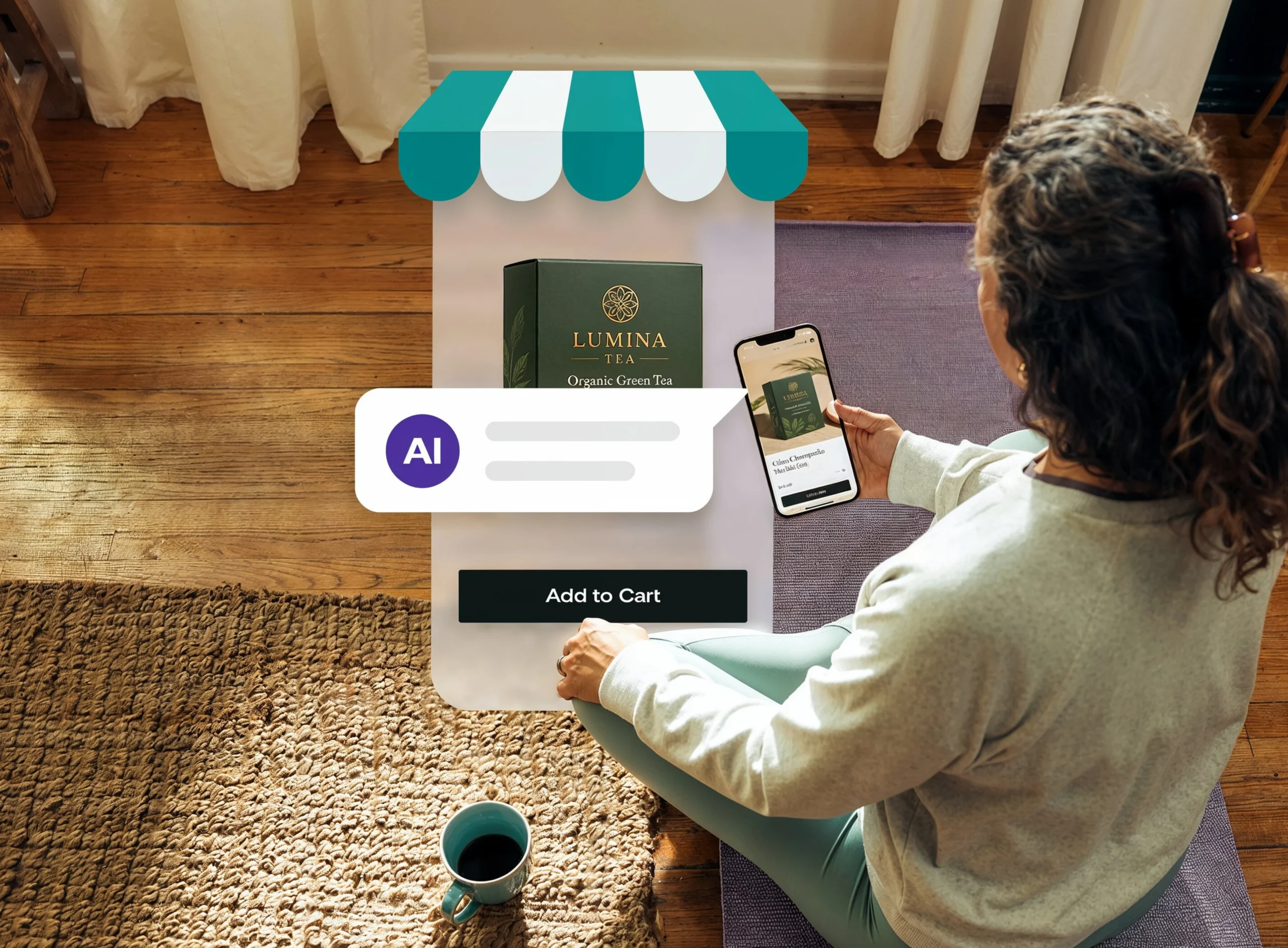
Instead of consumers manually researching dozens of websites, AI agents increasingly act as intermediaries between shoppers and retailers. They evaluate products, compare pricing, analyze reviews, and recommend options based on a user’s stated preferences.
For ecommerce brands, this creates a fundamental shift.
Visibility alone won’t be enough. Brands must become trustworthy sources of information that AI systems can confidently recommend.
That means investing in:
- Transparent pricing
- Accurate product data
- Consistent inventory information
- Strong customer reviews
- Reliable fulfillment experiences
- Omnichannel consistency
The brands that succeed in AI-driven commerce may not be the ones spending the most on advertising. They’ll be the brands that consistently earn trust from both consumers and the AI systems acting on their behalf.
AI Shopping Assistants Are Reshaping Product Discovery
Just as brands spent the last two decades optimizing for search engines, they’re now entering an era where they must optimize for AI-driven product discovery.
AI shopping assistants increasingly rely on structured product information, pricing data, reviews, inventory availability, shipping timelines, and brand reputation when making recommendations.
This means ecommerce teams should begin thinking beyond traditional SEO.
Product feeds, structured data, customer feedback, content quality, and overall trust signals may become critical factors influencing whether an AI assistant recommends a product at all.
The future of ecommerce visibility won’t just be about ranking in search results. It will be about becoming the most trusted answer.
The Omnichannel Reality
One of the most interesting developments in AI commerce is that physical retail may become even more valuable.
While AI shopping assistants are transforming online purchasing behavior, consumers still rely heavily on real-world experiences to validate trust.
Many shoppers report feeling more confident purchasing online after interacting with a brand in-store. Others use physical locations to verify product quality before allowing AI systems to make future purchasing decisions on their behalf.
This creates an important opportunity for omnichannel retailers.
The strongest brands will be the ones that maintain consistent pricing, inventory, messaging, and customer experiences across every touchpoint, whether that’s a retail store, ecommerce website, marketplace, mobile app, or AI shopping platform.
Physical retail isn’t competing with AI. It’s helping establish the trust that makes AI-powered commerce possible.
The Future of AI Commerce Depends on Trust
AI shopping assistants are rapidly moving from recommendation tools to purchasing agents.
As this transition accelerates, trust becomes the most important currency in commerce.
Consumers are increasingly willing to let AI help them shop. What they’re not willing to do is hand over control to systems they believe are biased, opaque, or working against their interests.
The future of AI commerce won’t be defined by who builds the smartest algorithm. It will be defined by which brands, retailers, and platforms earn the right to act on behalf of consumers.
For ecommerce businesses, the opportunity is clear.
Build transparent experiences. Maintain accurate product data. Create consistency across channels. Focus relentlessly on customer trust.
Because in the age of AI shopping assistants, trust isn’t just a brand asset.
It’s a growth strategy.