
Have you ever felt like your favorite store somehow knows exactly what you’re looking for?
You browse a few products online, leave without purchasing, and then a few days later an email arrives featuring exactly the type of product you were considering. The timing feels right, the recommendations seem unusually relevant, and sometimes it can feel like the brand anticipated your decision before you made it.
That experience is becoming increasingly common, and it isn’t happening by accident. It’s powered by AI.
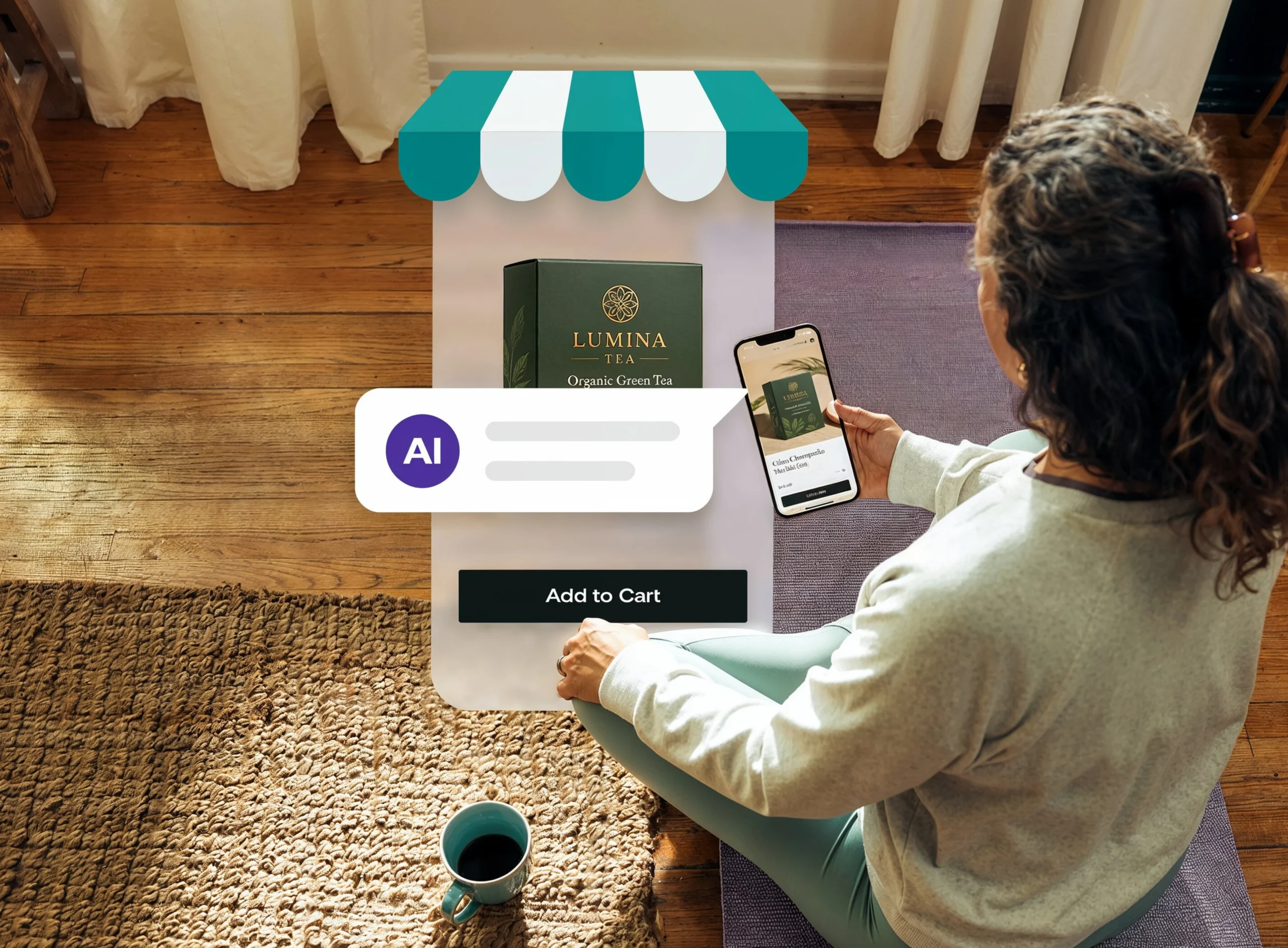
This shift is called predictive personalization, and it’s changing how brands approach customer relationships, marketing, and growth. Rather than waiting for customers to explicitly tell them what they want, businesses are using data and machine learning to identify patterns, anticipate needs, and create experiences that feel more relevant from the start.
From Reactive Marketing to Predictive Experiences
Personalization itself isn’t new. For years, brands have been tailoring content based on broad customer segments or previous actions. If someone purchased running shoes, they might receive recommendations for athletic apparel. If they clicked a category page, they’d likely see similar products in their next email campaign.
Predictive personalization takes that idea much further.
Instead of reacting only to past behavior, AI analyzes signals across customer interactions to estimate what customers are most likely to do next. These signals can include browsing history, purchase patterns, engagement with email and SMS, product interests, shopping frequency, and even contextual information like time of day or device preferences.
The objective isn’t simply to show customers more products. It’s to create experiences that reduce effort and make discovery feel easier. When personalization is done well, customers spend less time searching and more time engaging with products that genuinely fit their interests.
Why Traditional Segmentation Is No Longer Enough
Historically, marketers relied on audience segments to scale personalization efforts. Customers were grouped together based on characteristics such as age, purchase history, geography, loyalty status, or interests.
That model helped businesses move beyond one-size-fits-all marketing, but it still treated large groups of people as if they behaved the same way.
AI changes that dynamic.
Modern personalization platforms can evaluate thousands of behavioral signals simultaneously and adapt experiences in real time. Instead of creating one campaign for all running enthusiasts or all returning customers, brands can create individualized experiences for millions of customers at once.
Two people can visit the same homepage and see completely different products, promotions, and messaging depending on their behavior and preferences. One customer might see performance-focused recommendations, while another sees trend-driven styling inspiration.
The experience becomes less about who customers are in theory and more about what they’re demonstrating they want in practice.
What Predictive Personalization Looks Like in Real Life
Imagine someone researching running shoes designed for flat feet.
They spend time comparing product pages, reading reviews, and exploring options before leaving the site without making a purchase. A few days later, they receive an email. Instead of promoting the brand’s newest arrivals broadly, the email highlights stability-focused styles, includes reviews from customers with similar needs, and arrives at a time when that customer is historically more likely to engage.
From the customer’s perspective, the experience feels thoughtful and relevant.
From the brand’s perspective, AI has simply connected behavioral signals and identified the next most likely action.
The impact can be meaningful. Research cited by Averi AI found that AI-powered personalization initiatives have driven conversion improvements of up to 202% in certain use cases. Other industry research suggests personalized product recommendations can account for 25–35% of ecommerce revenue for many retailers.
Those results highlight an important shift: personalization is no longer a nice-to-have experience layer. It’s becoming a core growth lever.
Why It Works
Predictive personalization works because customers increasingly expect brands to understand context.
Consumers are overwhelmed with options, messaging, and promotions competing for attention every day. Generic communication creates friction. Relevant communication reduces it.
When customers feel like a brand understands what matters to them, they engage more often, make decisions more confidently, and are more likely to return.
The strongest personalization strategies aren’t necessarily the most complex. They simply make experiences easier, more useful, and more intuitive.
Rather than forcing customers to sort through hundreds of products, AI helps surface the handful that are most likely to matter.
Personalization Still Requires Trust
Of course, there’s an important balance.
Customers want relevance, but they also want transparency and control over how their information is used.
The brands seeing the greatest success with predictive personalization aren’t necessarily collecting the most data. They’re creating trust through clear communication, thoughtful experiences, and responsible data practices.
That means focusing on first-party relationships, explaining how recommendations are generated, and ensuring customers always feel supported rather than monitored.
Personalization should feel helpful, not intrusive.
The Future of Customer Experience
Predictive personalization represents a broader shift in how businesses think about marketing.
Success is becoming less about reaching the largest audience and more about creating experiences that feel genuinely relevant to each individual customer.
Brands that continue relying on broad assumptions and generic campaigns may find themselves competing against companies delivering highly tailored experiences at scale.
The future isn’t about pushing more products.
It’s about understanding intent earlier, reducing friction, and creating experiences that make customers feel understood before they even ask.