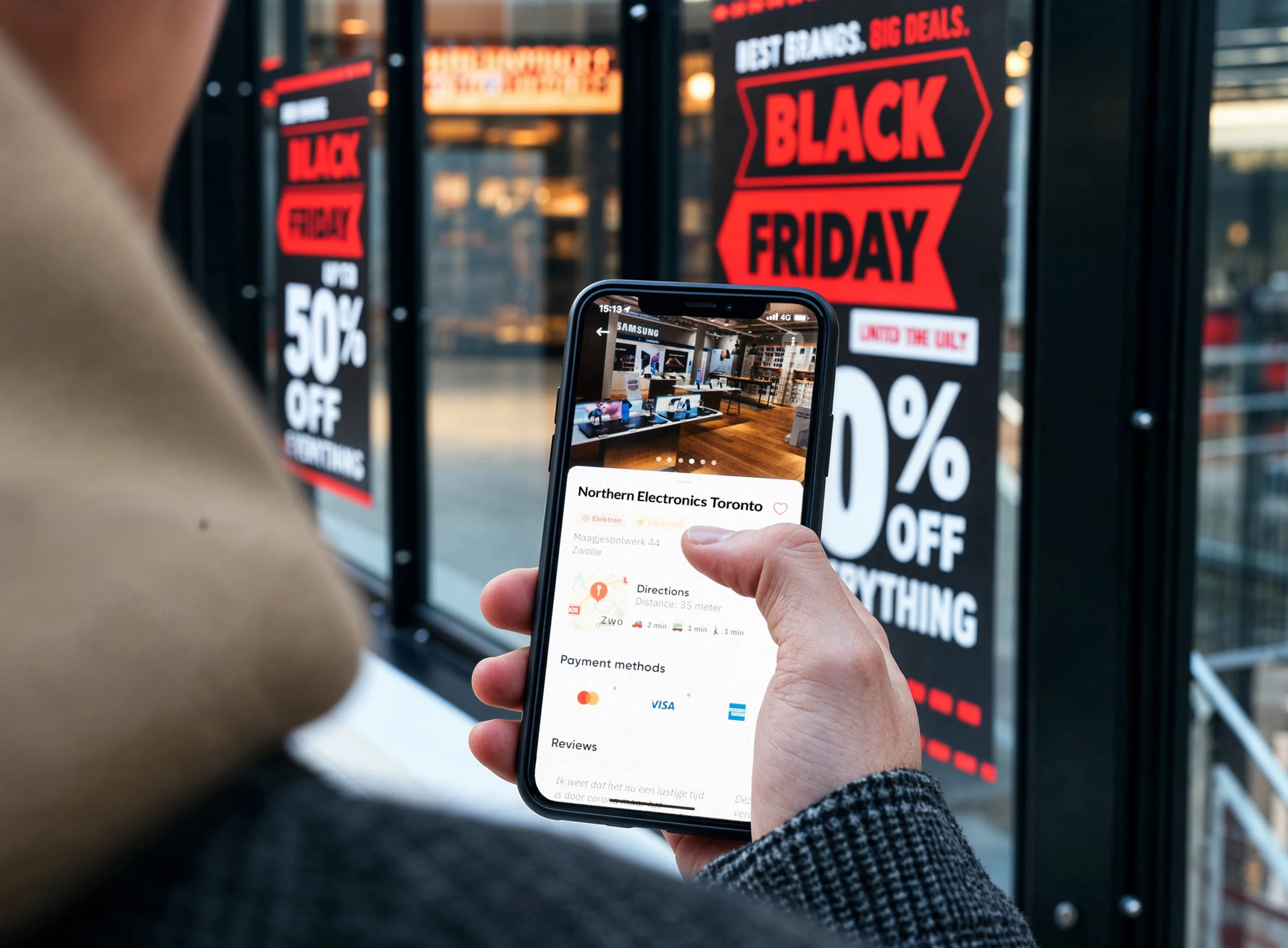

Black Friday Cyber Monday can feel like a sprint.
But in reality, the brands that perform best treat it like a well-planned marathon.
And the opportunity is getting bigger. Shopify merchants generated a record $14.6 billion in sales during BFCM 2025, up 27% from the previous year. More than 81 million customers purchased from Shopify-powered brands worldwide.
Here is the good news !
You don’t need the biggest discount or advertising budget to compete. You need a clear offer, a smooth store experience, and a plan that starts early.
Let’s get to know how to prepare.
1. Start with last year’s data
Before creating offers or ordering inventory, look at what happened last year.
Ask yourself:
- Which products sold best?
- Which channels drove the most sales?
- Where did shoppers leave your store?
- Which offers protected your margins?
- How many BFCM buyers returned later?
Use Shopify Analytics to review sales, traffic, conversion rate, average order value, and customer behavior. Your past results can help you make smarter decisions instead of guessing.
2. Create an offer that works for customers and margins
Customers expect value during BFCM, but that doesn’t mean you need to discount everything.
Tapcart found that about two-thirds of shoppers would need a discount between 20% and 35% to consider purchasing. However, a bigger discount doesn’t always mean better results, especially after advertising, shipping, and return costs.
Consider offers such as:
- Product bundles
- Tiered discounts
- Gifts with purchase
- Free shipping thresholds
- Early access for loyal customers
- Limited-edition products
Whatever you choose, keep it simple. Customers should understand the offer within seconds.
3. Make your store fast and mobile-friendly
Your campaign can bring thousands of people to your store, but a slow or confusing experience will send them away.
Mobile deserves extra attention. According to Tapcart’s consumer research, 81% of respondents planned to use mobile shopping apps during BFCM 2024.
Before launching, test:
- Mobile page speed
- Navigation and search
- Product descriptions and images
- Discount codes
- Cart and checkout
- Shop Pay and digital wallets
- Shipping and return information
Remove unnecessary apps, pop-ups, and scripts that slow down the experience. Then place a test order yourself from the product page to confirmation email.
4. Prepare your inventory and fulfillment
Selling out sounds exciting until your bestseller disappears on the first morning.
Review previous demand, confirm supplier timelines, and set low-stock alerts. If you’re creating gift sets or bundles, make sure every product inside them is available.
You also need a plan for what happens after the order arrives:
- Who picks and packs it?
- Can your team handle higher volume?
- Are shipping deadlines clear?
- How will customers track orders?
- What happens if a carrier is delayed?
- Is your returns process ready?
Swap Commerce recommends planning inventory, shipping, customer support, and returns as one connected operation not separate tasks.
5. Start marketing before BFCM weekend
BFCM is no longer limited to four days. Shoppers begin researching and buying earlier, so your marketing should build interest before the weekend begins.
Start growing your email and SMS lists through:
- Early-access signups
- Wish lists
- Giveaways
- Gift guides
- Loyalty rewards
- Product previews
Segment your audience, too. A first-time visitor shouldn’t always receive the same message as a loyal customer.
Shopify’s BFCM checklist recommends launching email campaigns early, retargeting previous visitors, and rewarding loyal customers with exclusive access.
6. Have a backup plan
BFCM has a habit of exposing problems at the worst possible moment.
Create a simple plan for common issues:
- Your discount code stops working
- A product sells out
- An app goes down
- Shipping is delayed
- Website performance drops
- Customer support becomes overwhelmed
Decide who will monitor the store, inventory, advertising, and customer questions. Clear responsibilities help your team respond faster when something unexpected happens.
7. Plan for customers to come back
BFCM shouldn’t end when the sale does.
A large discount may attract first-time buyers, but the real value comes from turning them into repeat customers.
Prepare post-purchase campaigns such as:
- Personal thank-you emails
- Product tips and tutorials
- Review requests
- Loyalty program invitations
- Personalized recommendations
- Replenishment reminders
- Second-purchase offers
Shopify’s BFCM campaign guide recommends creating dedicated automation for first-time customers and following up after the purchase.
A simple BFCM timeline
August
Review data, set goals, choose products, and forecast inventory.
September
Confirm offers, order stock, create campaign assets, and grow your audience.
October
Test your website, checkout, automations, fulfillment, and customer support.
November
Launch early, monitor performance, communicate clearly, and optimize as you go.
BFCM success isn’t only about getting more traffic. It’s about being ready when that traffic arrives.
Lastly
Start early, keep your offer simple, test the complete buying journey, and prepare for what happens after checkout. Most importantly, don’t focus only on one weekend of sales.
Use BFCM to introduce new customers to a brand they’ll want to visit again.
Frequently asked questions:
1. When should Shopify brands start preparing for BFCM?
Shopify brands should start preparing a few months before BFCM. August is a good time to review data, set goals, choose products, and forecast inventory.
Starting early gives your team enough time to plan offers, test the store, prepare campaigns, and avoid last-minute stress.
2. What should brands review before planning BFCM offers?
Before creating offers, review last year’s data. Look at best-selling products, top sales channels, conversion rate, average order value, customer behavior, and how many BFCM buyers returned later.
This helps you make decisions based on real performance instead of guessing.
3. Do Shopify brands need big discounts for BFCM?
Not always. Customers expect value, but that does not mean you need to discount everything.
You can use product bundles, tiered discounts, gifts with purchase, free shipping thresholds, early access, or limited-edition products. The best offer is easy to understand and still protects your margins.
4. Why is mobile optimization important for BFCM?
Many shoppers browse and buy from their phones during BFCM. If your mobile store is slow or confusing, customers may leave before checkout.
Test mobile speed, navigation, product pages, discount codes, cart, checkout, Shop Pay, digital wallets, and shipping details before launching campaigns.
5. How can brands prepare inventory and fulfillment?
Review past demand, confirm supplier timelines, set low-stock alerts, and make sure bestsellers are ready.
If you are offering bundles or gift sets, check that every item inside them is available. Also prepare your picking, packing, shipping, tracking, support, and returns process.
6. When should BFCM marketing campaigns start?
BFCM marketing should start before the weekend. Shoppers often research early, so build interest through email, SMS, early-access signups, wish lists, giveaways, gift guides, loyalty rewards, and product previews.
Segment your audience so loyal customers, first-time visitors, and past buyers receive the right message.
7. What backup plans should brands have?
Prepare for common BFCM issues like discount codes failing, products selling out, apps going down, shipping delays, website performance drops, or support getting overwhelmed.
Assign clear responsibilities so your team knows who monitors the store, inventory, ads, support, and technical issues.
8. How can brands turn BFCM shoppers into repeat customers?
BFCM should not end after the sale. Use post-purchase campaigns to bring customers back.
Send thank-you emails, product tips, review requests, loyalty invitations, personalized recommendations, replenishment reminders, or second-purchase offers.
The goal is not just one order. It is building a customer relationship that continues after BFCM.