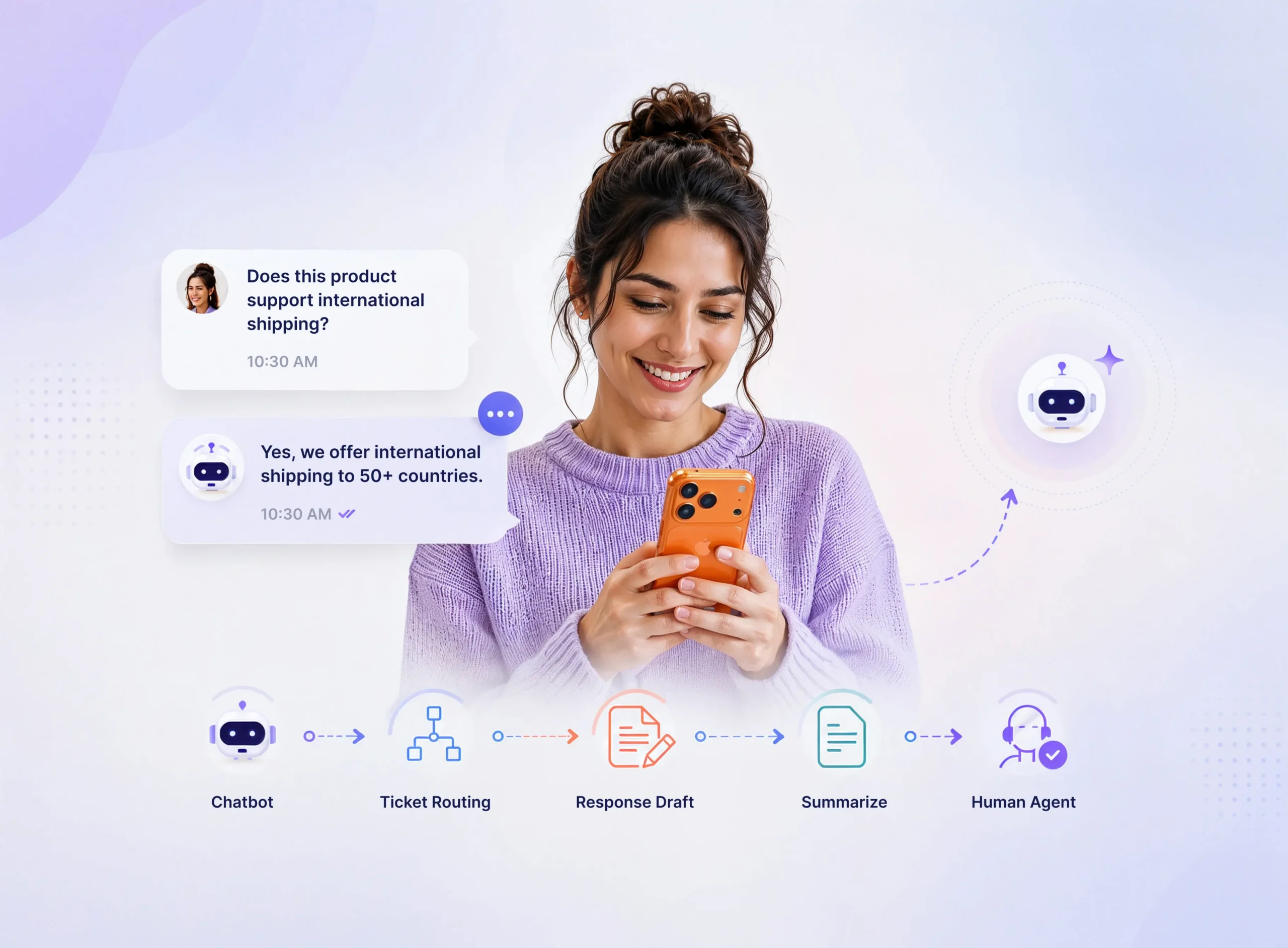

You know that feeling when you get an ad for something you literally just talked about out loud? Or maybe something you only thought about for a second?
That feels crazy, doesn’t it?
We all know someone who feels a little too watched online. And honestly, it is not hard to understand why. People are more aware than ever that brands, platforms, apps, and advertisers collect data about what they do, what they click, what they search, and what they show interest in.
So when an ad appears at the perfect moment, it can feel less like helpful marketing and more like someone has been listening.
That is exactly why privacy-first marketing matters.
It is not just another marketing trend. It is a shift in how brands build trust, collect data, and create relationships with customers. Instead of relying on creepy tracking or hidden data collection, privacy-first marketing focuses on transparency, consent, and real value.
And for modern brands, that is not just good ethics. It is good business.
The Privacy Revolution: Why Marketing Is Changing
Governments worldwide are finally putting their foot down.
The UK passed the Data (Use and Access) Act. The Online Safety Act is being enforced. And more regulations are coming down the pipeline. Businesses can no longer treat data privacy as something that sits quietly in the background until there is a problem.
But here’s what’s interesting: this is not just about compliance, even though compliance matters.
This is about trust.
People want to know what brands are collecting, why they are collecting it, and how that information is being used. They do not want to feel tricked into giving away personal data. They do not want consent hidden behind confusing legal language. And they definitely do not want to feel like their online behavior is being watched without permission.
That is where privacy-first marketing comes in.
It helps brands move away from “collect everything and figure it out later” and toward a more intentional approach. It asks a simple but powerful question:
Do we actually need this data?
And sometimes, the honest answer is no.
What Does Privacy-First Marketing Actually Mean?
Privacy-first marketing means building marketing strategies around permission, transparency, and respect for customer data.
It means shifting from creepy data collection to permission-based relationships. It means being clear about what information you are collecting and why. It means making opt-outs just as easy as opt-ins. And it means treating customer data like something valuable that has been trusted to you, not something you are automatically entitled to take.
At its core, privacy-first marketing is about creating better relationships with customers.
Instead of trying to know everything about someone without asking, brands can start real conversations. They can ask what people care about. They can invite customers to share preferences. They can offer value in exchange for information.
That feels different.
It feels less like surveillance and more like a relationship.
And that difference matters.
When customers willingly share information, the data is usually more useful. It is also more respectful. You are not guessing based on hidden signals or relying on third-party middlemen. You are learning directly from the people who actually buy from you.
That is the foundation of smarter, more ethical marketing.
What Smart Brands Are Doing Right Now
Smart brands are already making the shift.
They are collecting zero-party data, which is information customers willingly and intentionally share with a brand. This can happen through quizzes, preference centers, surveys, loyalty programs, and simple conversations about what customers actually want.
No sneaking around. No confusing tricks. No third-party middlemen.
Just direct, honest information from the customer.
This kind of data is powerful because it comes with permission. A customer might tell you what kind of products they prefer, how often they want to hear from you, what topics interest them, or what problems they are trying to solve.
That is much better than guessing.
Smart brands are also building direct relationships through email lists and first-party data strategies. Third-party cookies and third-party tracking are becoming less reliable as a long-term foundation for marketing. The future is moving toward brands having their own trusted relationship with their audience.
That means your email list matters.
Your customer database matters.
Your preference center matters.
Your loyalty program matters.
These are not just marketing tools. They are relationship-building tools.
And then there is another part that often gets overlooked: team training.
Privacy-first marketing does not work if only one person in the company understands it. Your team needs to understand data responsibility, not just check a compliance box.
Marketing teams need to know what data they are asking for and why. Sales teams need to understand what information should and should not be used. Customer support teams need to know how to handle personal information carefully.
Because privacy-first marketing is not only about the tools you use. It is about the mindset behind them.
Why Privacy-First Marketing Matters
Privacy-first does not mean less effective marketing.
It means smarter, more intentional marketing.
That is the part many brands get wrong. They hear “privacy” and assume it means losing access, losing targeting, or losing performance. But in reality, privacy-first marketing can make your strategy stronger.
Why?
Because when people trust you, they are more likely to engage with you.
They are more likely to open your emails when they know they actually signed up for them. They are more likely to complete a quiz when they understand why you are asking. They are more likely to share preferences when the experience feels useful, not invasive.
Your customers appreciate transparency.
Your conversion rates can benefit from better-quality data.
And you sleep better at night knowing you are not accidentally breaking the law or damaging trust with the people you are trying to reach.
The brands winning in 2026 are not the ones hoarding the most data. They are the ones being transparent about it. They are the ones building communities around genuine value, not building profiles to exploit.
That is the real shift.
Marketing is becoming less about how much data you can collect and more about how responsibly you can use the data people choose to share.
How You Can Move Toward Privacy-First Marketing
If you want to move toward privacy-first marketing, start simple.
Begin by auditing what data you actually collect and why.
Look at your forms. Look at your email sign-ups. Look at your checkout process. Look at your quizzes, surveys, landing pages, and tracking tools.
Ask yourself:
What information are we collecting?
Why are we collecting it?
Do we actually use it?
Did the customer clearly understand what they were agreeing to?
Could we achieve the same result with less data?
This kind of audit can reveal a lot. Many businesses collect data out of habit, not because they genuinely need it. Privacy-first marketing pushes you to be more intentional.
Next, make your consent mechanisms crystal clear.
Do not hide consent behind confusing language. Do not make people feel forced to say yes. Do not make opting out difficult. If someone can opt in with one click, they should be able to opt out without jumping through hoops.
That is part of trust.
Also, focus on collecting data through real value exchanges. If you ask someone to take a quiz, make sure the result is useful. If you ask customers to share preferences, use those preferences to improve their experience. If you invite people to join your email list, send content they actually want.
Privacy-first marketing works best when people feel the benefit of sharing information.
And most importantly, start thinking of customer data as a privilege they have given you, not a right you have taken.
That one mindset shift changes everything.
It changes how you write your forms. It changes how you design your emails. It changes how you build your campaigns. It changes how you talk about marketing inside your team.
Because the goal is not just to avoid penalties.
The goal is to build a brand people trust.
Final Thoughts: Privacy-First Is Good Ethics and Good Business
Privacy-first marketing is not about making marketing harder.
It is about making marketing better.
It pushes brands to be honest, clear, and intentional. It encourages better data collection, stronger customer relationships, and more meaningful communication. It moves marketing away from hidden tracking and toward permission-based trust.
And honestly, that is where things needed to go.
Customers are paying attention. Governments are paying attention. Platforms are changing. The old way of collecting as much data as possible without asking too many questions is no longer a smart long-term strategy.
The brands that adapt now will be in a stronger position.
They will have cleaner data, better relationships, and more trust with their audience. They will not need to rely on creepy tactics because they will have something much more valuable: customers who actually want to hear from them.
Because privacy-first marketing is not just good ethics.
It is good business.
Frequently Asked Questions.
1. What is privacy-first marketing?
Privacy-first marketing is a marketing approach that puts customer privacy, consent, and transparency at the center of the strategy. Instead of collecting as much data as possible, brands focus on collecting only the data they need and making sure customers understand how that data will be used.
It is about building permission-based relationships. That means customers willingly share information through things like forms, quizzes, surveys, email sign-ups, preference centers, and loyalty programs.
The goal is not to stop marketing. The goal is to make marketing more respectful, trustworthy, and intentional.
2. Why is privacy-first marketing important now?
Privacy-first marketing is important because customers are more aware of how their data is being collected and used. At the same time, governments are introducing and enforcing more rules around digital privacy, data use, and online safety.
People do not want to feel watched, tracked, or manipulated. They want clarity. They want control. They want to know why a brand is asking for information and what they will get in return.
For businesses, this creates a clear opportunity. Brands that are transparent and respectful with data can build stronger trust with their customers.
3. What is zero-party data?
Zero-party data is information that customers intentionally and willingly share with a brand.
This can include preferences, interests, product needs, communication choices, or feedback. For example, a customer might answer a quiz, complete a survey, update a preference center, or share what kind of content they want to receive.
The value of zero-party data is that it comes directly from the customer. You are not guessing based on hidden behavior. You are listening to what the customer tells you.
That makes the data more honest, more useful, and more privacy-friendly.
4. What is the difference between zero-party data and first-party data?
Zero-party data is information a customer directly gives you on purpose. First-party data is information you collect from your own channels, such as your website, email list, customer interactions, or purchase history.
Both are important for privacy-first marketing because they help brands rely less on outside data sources and more on direct customer relationships.
The main difference is intent. Zero-party data is actively shared by the customer. First-party data is collected through the customer’s interaction with your brand.
Together, they help businesses understand customers in a more respectful and reliable way.
5. Does privacy-first marketing reduce marketing performance?
No, privacy-first marketing does not have to reduce performance. In many cases, it can improve performance because the data you collect is more intentional and more accurate.
When customers choose to share information, they are usually more engaged. They are more likely to respond to relevant emails, personalized experiences, and offers that match what they actually want.
Privacy-first marketing may require brands to be more thoughtful, but that is a good thing. It encourages better strategy, better communication, and stronger customer relationships.
6. How can a business start using privacy-first marketing?
A business can start by auditing the data it already collects. Look at every form, sign-up process, tracking tool, and customer touchpoint. Ask why each piece of data is needed and whether customers clearly understand what they are agreeing to.
After that, improve consent processes. Make opt-ins clear. Make opt-outs easy. Use plain language instead of confusing legal wording.
Then focus on direct relationships. Build your email list, improve your preference center, use surveys carefully, and create experiences where customers willingly share what they want.
Start small, but start with intention.
7. What should good consent look like in privacy-first marketing?
Good consent should be clear, simple, and honest.
Customers should understand what they are signing up for, what data they are sharing, and how that information will be used. Consent should not be hidden in confusing language or bundled into something the customer does not expect.
Opting out should also be easy. If a customer changes their mind, they should be able to unsubscribe, update preferences, or withdraw consent without frustration.
Good consent builds trust because it shows customers that your brand respects their choice.